Mohiniyattam
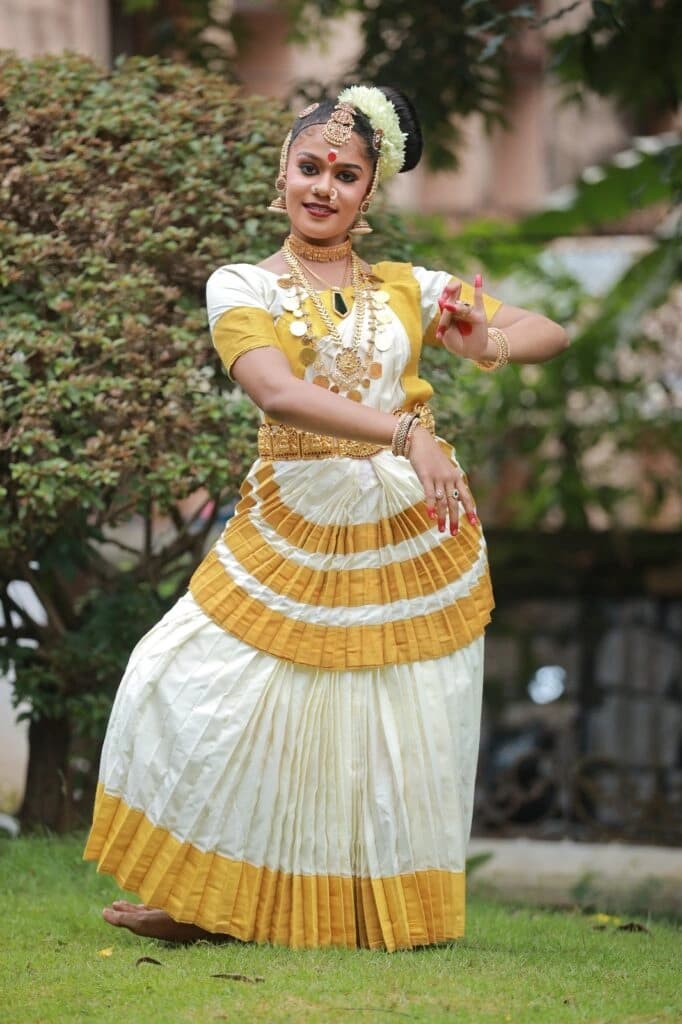
Mohiniyattam was originated in Kerala with its own frolic expression. The flamboyant vacillating nature of Kerala is shadowed in this art form. As a pioneer to this, Dhasiyattam was its first form. Costume consists of a white skirt with golden border "Melmundu". For its presentation Sopana Sangeetham is used.
Bharathanatyam
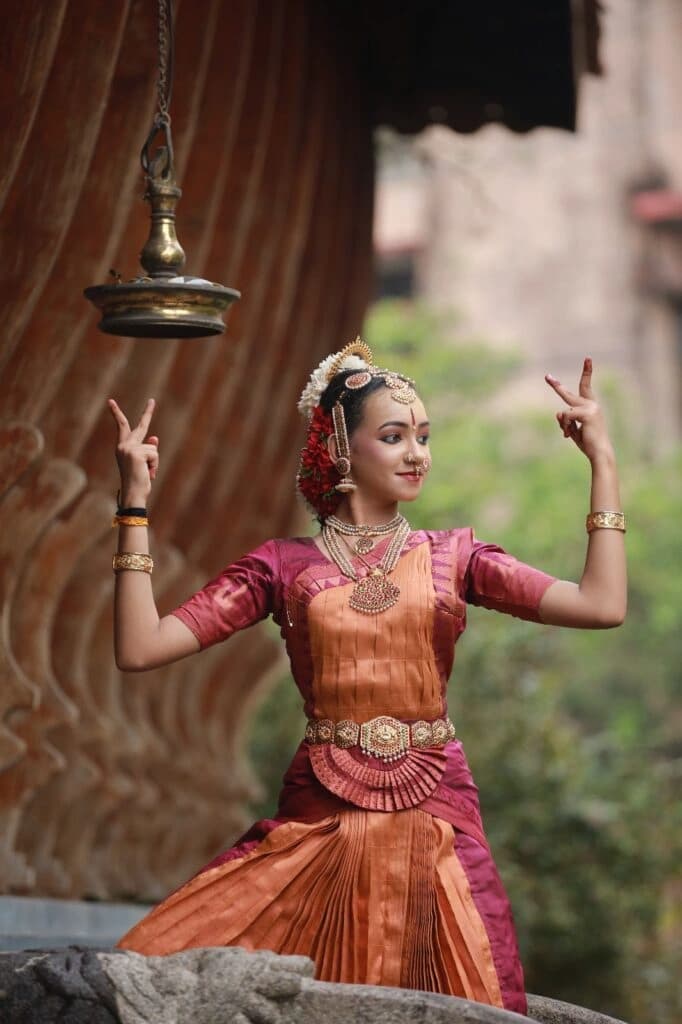
This art form belongs to Tamil Nadu. It was formed as part of Tamil Nadu's folk arts. In this art form there still exists provincial differences such as Thanchavoorpani, Panthelloor Pani, etc.
Kuchuppudi
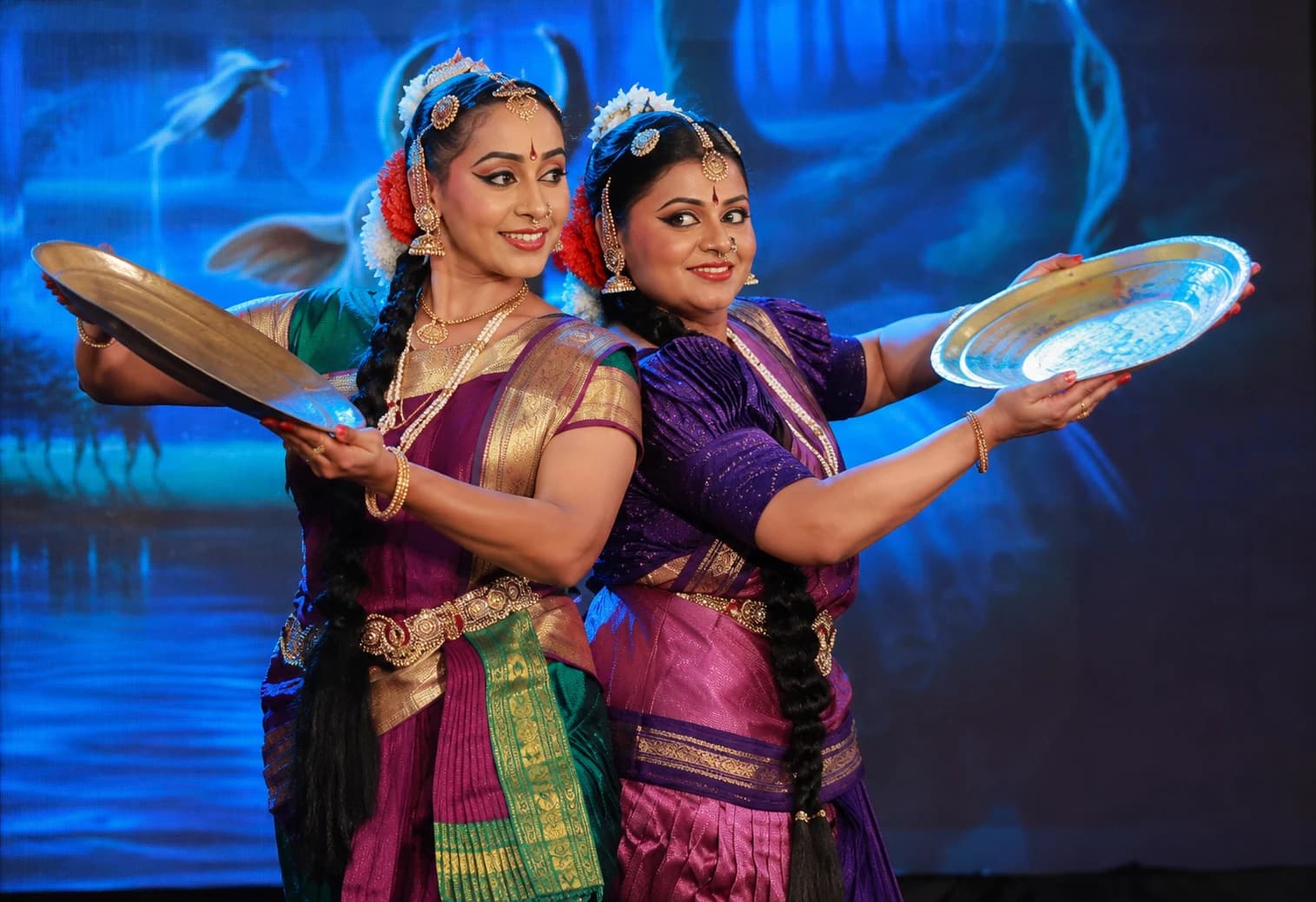
The king of Kuchelapuri in Andhra Pradesh was very kind and generous to his subjects, but the land lords treated the people very cruelly. The men-subjects, with a view of protesting against this, moulded a critical art form and used to present it. Later this ancient art form of Kuchelapuri was changed into Kuchuppudi. Usually Krishna Geethams are composed for "Kuchuppudi Tharangam".
Kerala Nadanam
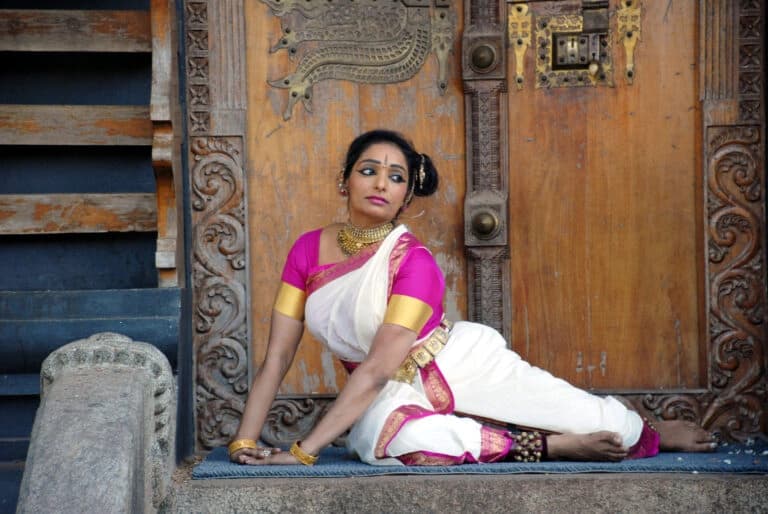
Kerala Nadanam is a classical dance form that evolved from Kathakali and is recognized as a distinct art form. It was developed by Guru Gopinath and Thankamani Gopinath, combining Kathakali's expressive techniques with a more graceful Tribhanga posture. The style emphasizes Angika Abhinaya (body movements) and Satvika Abhinaya (facial expressions), and introduced Carnatic concert compositions into dance. It is performed as solo, duet, group, and dance drama, and was officially defined in 1993 as Keraleeya Shaastriya Sargaathmaka Nrittham.
Kathakali
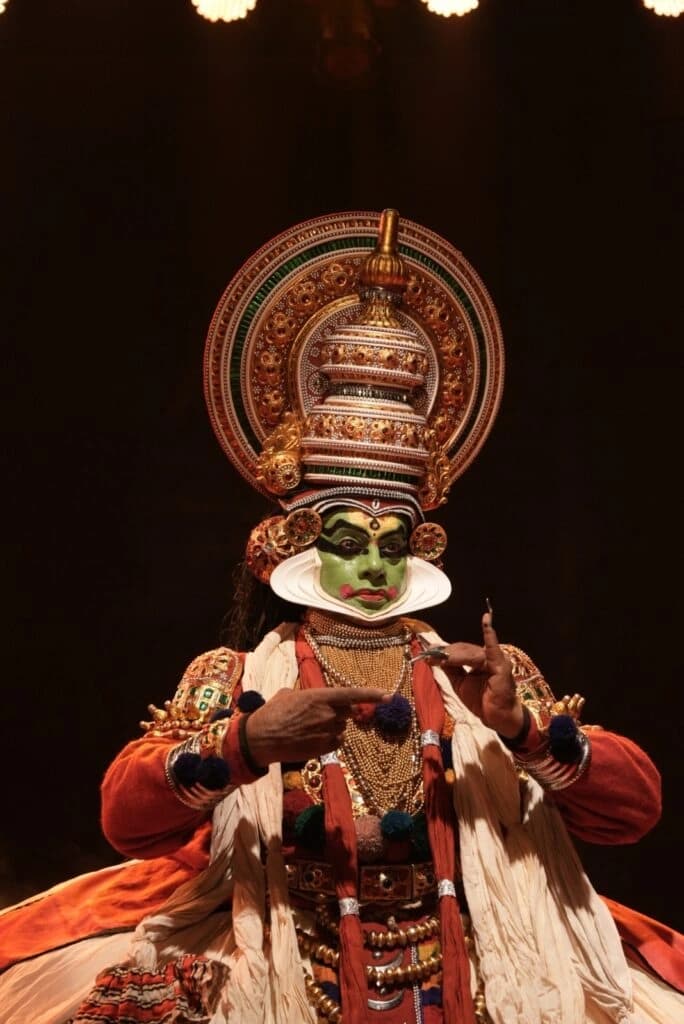
Remains a highly effective and deadly martial art practice, teaching means of both attack and defense. Today the emphasis is placed mostly on body awareness to bring about total control of oneself — thus this practice could be said to be more a means of self-knowledge than one of pure self-defense. Following the teachings of late Mahacharya V. K. Madhavan Panikkar Gurukkal, VKM Kalari.
Folk Dances
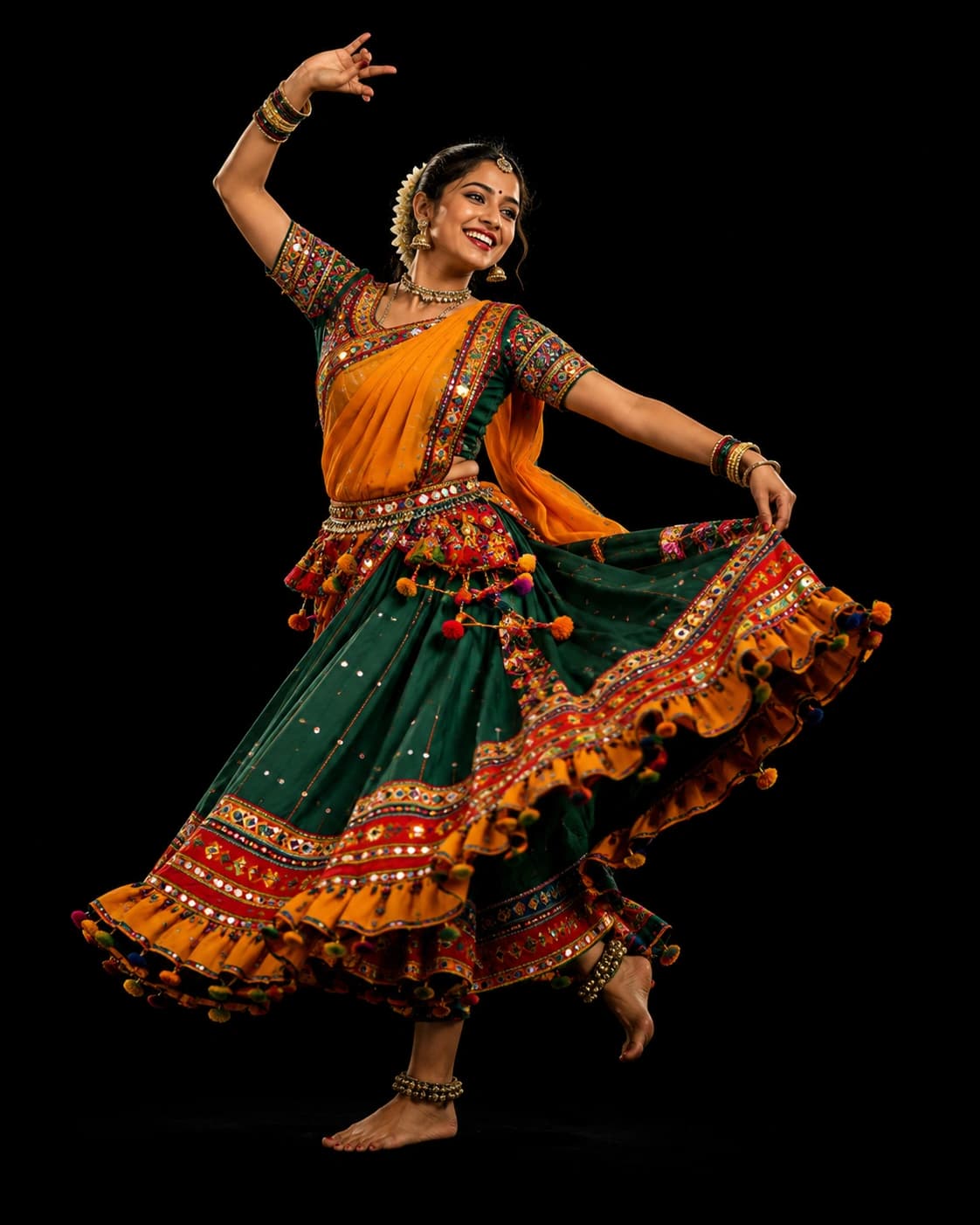
Remains a highly effective and deadly martial art practice, teaching means of both attack and defense. Today the emphasis is placed mostly on body awareness to bring about total control of oneself — thus this practice could be said to be more a means of self-knowledge than one of pure self-defense. Following the teachings of late Mahacharya V. K. Madhavan Panikkar Gurukkal, VKM Kalari.